If you are in crisis and need immediate support, call the 988 Suicide & Crisis Lifeline.
Tools and hotlines to help you understand your well-being, access support in moments of crisis, and connect with confidential mental health resources.

Stanford WellMD Self-Assessment Tool
Reflect on your well-being and identify small changes that make a big impact.
National Alliance of Mental Illness (NAMI): Helpline
A free, confidential helpline offering support and resources for mental health concerns.
988 Suicide and Crisis Lifeline
If you are in crisis and need immediate support, 24/7/365
Physician Support Line
A free, confidential peer support service staffed by volunteer psychiatrists.

Don’t Clock Out
A platform supporting healthcare professionals in crisis.
How to Ask For Help
A story showing how the NAMI HelpLine provides hope and support.

The Emotional PPE Project
Volunteer, nonprofit to reducing barriers for healthcare providers seeking mental and emotional health care

The Schwartz Center for Compassionate Healthcare offers resources to help caregivers support each other and care for themselves. A few we'd like to highlight:
Stress First Aid: A framework of actions to help mitigate the negative aspects of stress.
Coping After Disaster or Violence: This resource addresses the emotional impact of mass violence and offers guidance for recognizing signs of distress in the aftermath.
Understanding Compassion Fatigue: This tip sheet outlines the causes and signs of compassion fatigue, along with strategies for prevention and self-care.
Explore insights that reveal how gender shapes professional growth, leadership, and lived experiences in medicine.

Burnout
A collection of powerful short talks where researchers, activists, and thinkers share ideas to inspire, challenge, and expand how we see the world.
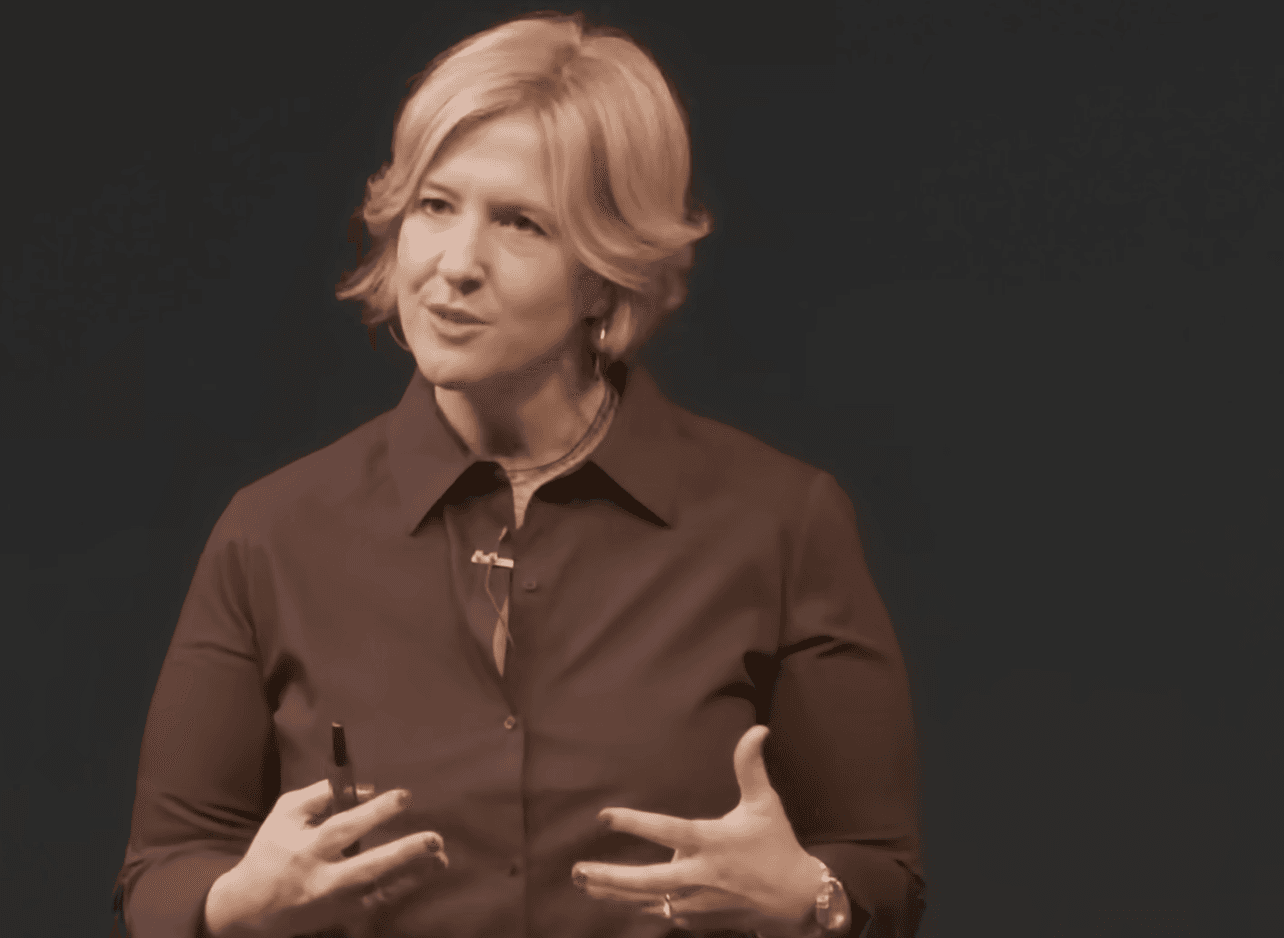
The Power of Vulnerability
Argues that embracing vulnerability, imperfection, and emotional exposure leads to deeper connection, courage, and wholehearted living.
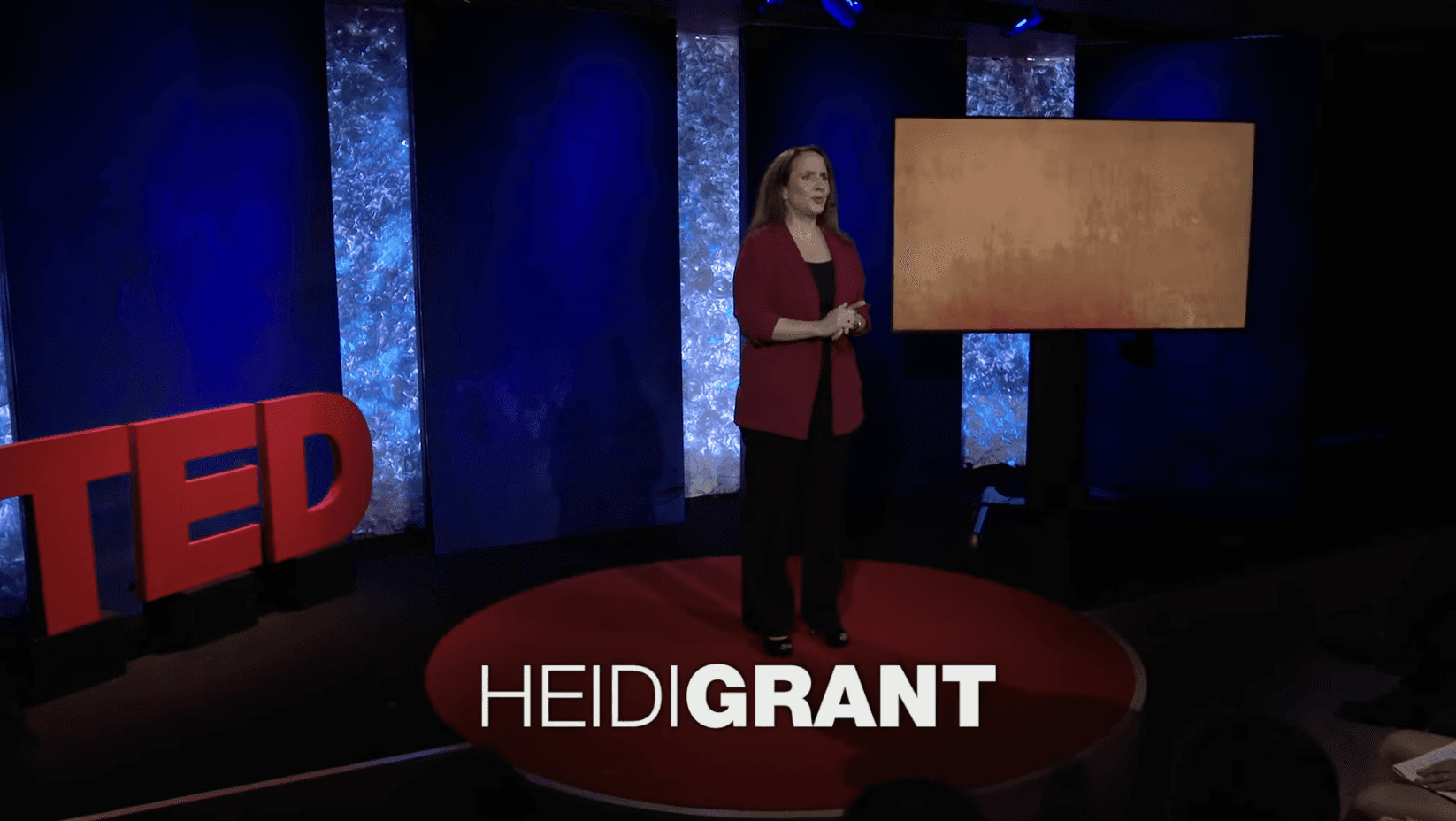
Asking for Help
Explains that asking for help openly and clearly (rather than assuming others know you need it) increases the likelihood of getting support and strengthens our relationships