Dive into research and insights on how bias shows up in evaluations, language and workplace dynamics.

Beyond the Scores: Gendered Interpretations of Emergency Medicine Resident Assessments of Interdependent Performances
Highlights that while numerical assessment scores for Emergency Medicine (EM) residents.

Gender differences in emergency medicine resident assessment: A scoping review
Demonstrates how gender bias exists in emergency medicine (EM) resident assessment.

Gendered Expectations: Do They Contribute to High Burnout Among Female Physicians?
Gendered expectations and heavier patient complexity increase burnout for female physicians, requiring systemic time and support adjustments.
feminem
An Overview of Gender Equity in Medicine | FemInEM RAFT
Module 6
Understand the persistent gender gaps affecting advancement, pay, and well-being in medicine.
feminem
Gender Disparities and Patient Outcomes | FemInEM RAFT Module 2
Aims to increase awareness of gender disparities in medicine.
feminem
Issues Facing Women of Color in Medicine | FemInEM RAFT Module
Explores the persistent and compounding inequities faced by women of color in medicine and how they shape professional experiences, career advancement, compensation, and well-being.
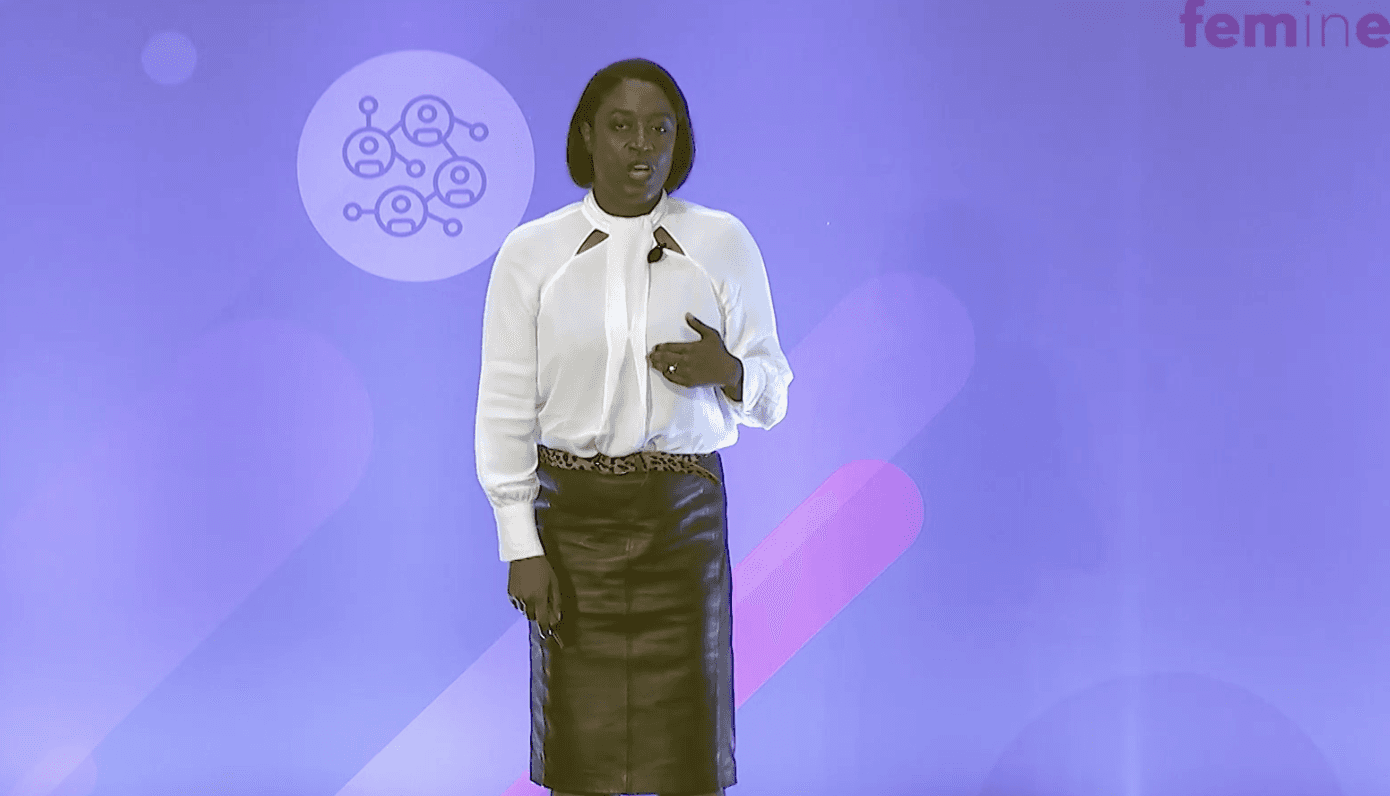
Patsy McNeil's Lecture On Bias
This session explores the structural and cultural barriers women face on the path to leadership in medicine, particularly in emergency medicine. Drawing from personal experience, data, and mentorship, the speaker examines confidence gaps, representation, implicit bias, and systemic inequities.

Women Leaders in a Man's House
A powerful personal reflection on growing up unaware of gender inequity—until witnessing injustice firsthand—this talk traces one woman’s journey from childhood in Ethiopia to leadership in medicine, as she confronts bias, builds community, and calls for collective action toward equity and liberation.

Why Black doctors like me are leaving faculty positions in academic medical centers
A first-person account that articulates the structural and cultural conditions — isolation, undervaluation, and institutional indifference — that drive Black physicians out of academic medicine, centering the retention crisis in lived experience.

Gender and Racial Discrimination During Residency Training
Scoping Review A study aimed at exploring the impact of gender and racial discrimination on medical residents during their residency training.

Sex & Why Podcast: EPISODE 13, PART 2: LGTBQI HEALTH-RELATED ISSUES
This podcast discussion between Brown University Emergency Medicine and Pediatric physicians demonstrates that providing intentional, respectful care for transgender patients helps build trust and can improve care for all patients.
Personal Activity: Mapping Your Intersectional Experience
The resources above show how overlapping identities — race, gender, specialty, training level — shape professional experience. These questions ask you to reflect on how identity has shaped your own experience, and how you can become a more aware and accountable colleague.
Reflect on a moment in your training or career when you felt your race, gender, or the combination of the two shaped how you were perceived, evaluated, or treated. What happened, and what was the implicit message beneath the stated interaction? What would you have wanted instead?
Think about a piece of written or verbal feedback you received that felt shaped by assumptions about who you are rather than what you did. What words or phrases stood out, and how did they affect how you saw your own performance? What feedback would have been more accurate and useful?
Recall a time when the way you were addressed, introduced, or described (your title, your name, a comment on your tone or demeanor) felt different from how colleagues of other identities were treated. What did you notice in the moment, and what did you do with it afterward?